
Raleigh, North Carolina
large-scale & Renovation
The hardest decision in a renovation is what not to change.
Renovation is the work of deciding what stays, what goes, and what a house was always meant to be.
What We Take On
01
Whole-Home Renovations
Every room, one plan, one timeline.
02
Kitchens & Primary Suites
The two rooms that change how a house lives.
03
Additions & Structural Change
New square footage that reads as original.
04
Historic & Character Homes
Updating without erasing what made it worth buying.
05
Phased Renovation
A long plan executed in stages you can absorb.
A renovation is not a blank page.
It is a conversation with a house
that already exists.
The Couture Haus Approach
Restraint
Every house is already telling you something.
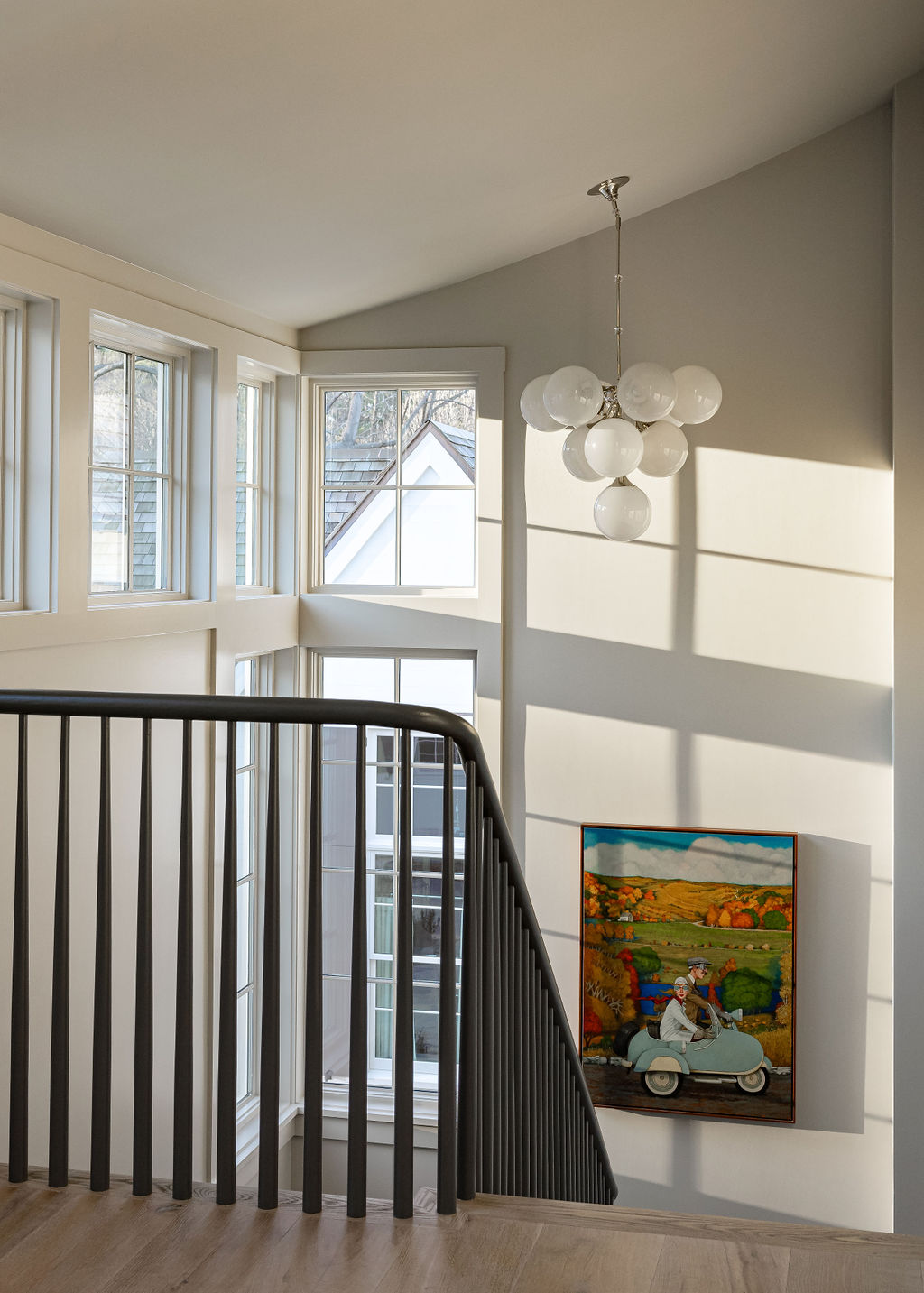
Original millwork. A staircase worth keeping. Proportions that only look wrong because of what someone did to them in 1994. The first job on any renovation is to separate what is genuinely failing from what has simply been obscured.
Gutting everything is the easy answer, and it is usually the expensive one. It also removes the reason the house was worth buying.
We start by reading what is there — then design so the new work looks like it was always the plan.
Where Renovations Go Wrong
Deciding room by room
A kitchen chosen in isolation rarely agrees with the hall it opens onto. One plan, or five plans that argue with each other.
Demolition before design
There is always something behind the wall. It costs far less when there is already a plan able to absorb it.
Selecting late
Lead times do not care about your schedule. Ordering after demolition is how a six-month project becomes an eleven-month one.
The Reality
You still have to live here.
Most renovations happen around a family, a job and a school run. We plan phasing and sequencing with your contractor so the house stays habitable where it can, and so the disruption has an end date you can actually see.
Every schedule, selection and delivery is coordinated with your building partners. Orders are placed, inspected and stored under our White Glove Service, then installed by our team — so the last week of a renovation feels like an arrival rather than an ordeal.
“This was my first time using an interior decorator. Sandra was recommended and she was BETTER than expected. Extremely attentive to detail and very flexible. Mixed some of my old furnishings with new. I’d recommend her in a split second. Great style and an unbelievable person”
M.R
Selected Work
Minimalist Elegance
Raleigh, NC
Architect & Builder: Atelier San Gregorio · Photographer: Mathilde Lebreuil
Très French
South of France
Vibrant Contemporary
Raleigh, NC
Stylish Transitional
Durham, NC
Color Power
Cary, NC
Down to Earth Farmhouse
Youngsville, NC
Global Modern
Raleigh, NC
Second Act, living in style
Chapel Hill, NC
Questions
Before demolition.
What is the difference between a renovation and a remodel?
A renovation updates or restores a space without changing its structure or purpose — new finishes, new fixtures, new life in the same footprint. A remodel changes structure or function: removing walls, relocating a kitchen, adding square footage. Most large projects are both. The distinction matters mainly for budget and permitting, because remodels involve structural work, inspections and longer timelines.
Do I need an interior designer for a renovation, or just a contractor?
A contractor builds what is drawn. A designer decides what to draw. On a single room with a clear scope, a good contractor may be enough. On anything involving multiple rooms, structural change or custom millwork, the decisions compound — and the cost of making them in the wrong order usually exceeds the design fee. We frequently work alongside a contractor who is already hired; the two roles are not in competition.
When should I bring a designer into a renovation?
Before demolition, and ideally before the budget is fixed. Renovation budgets set without a design almost always understate scope, because the surprises behind the wall have not been accounted for. Bringing us in early means the plan, the budget and the timeline are built together rather than reconciled after the fact.
How long does a whole-home renovation take?
The first design presentation comes about three weeks after the scope is approved, and the detailing that follows runs for months on a whole home — room by room, at the pace decisions get made.
Construction depends on the extent of structural work, permitting, and lead times on materials and furnishings — a whole-home renovation typically runs several months to a year from demolition to final install.
We build a schedule with your contractor at the start and manage against it.
What does a renovation designer cost?
Design fees depend on scope and how much of the project we manage. We scope design hours against your actual project and present a proposal before any work begins. The most common budgeting mistake in renovation is planning for the visible work and not the discovery — we build contingency into the plan rather than reacting to it later.
Do you work on historic and older homes?
Yes. Older and character homes are among the most rewarding work we take on, and the most demanding. The discipline is restraint: knowing which details are the reason the house is worth renovating, and designing around them rather than through them.